
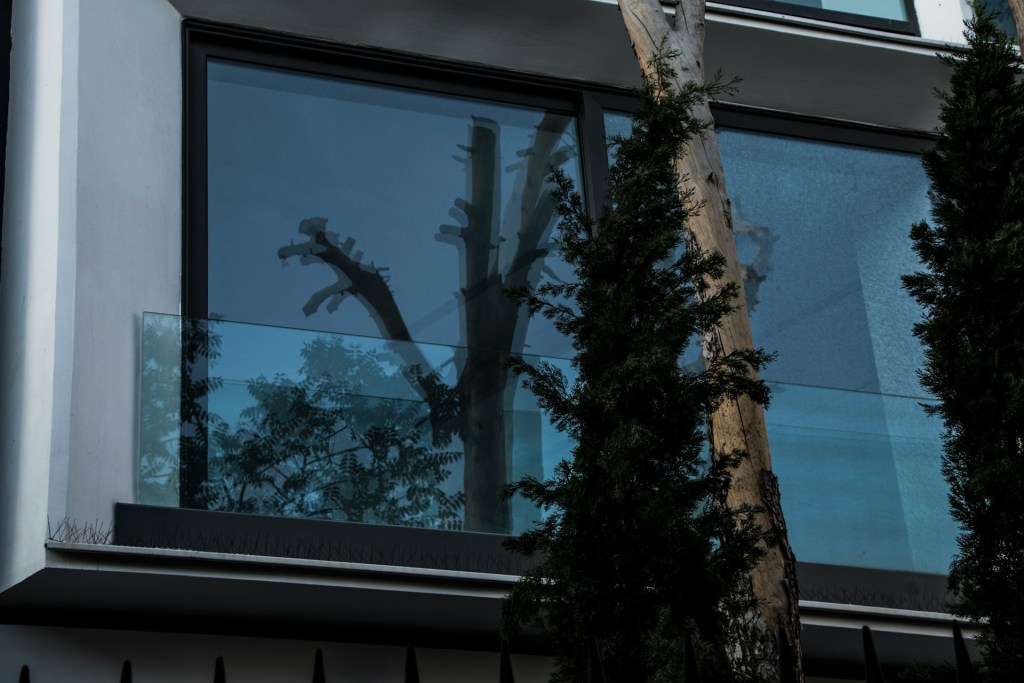
Stop Nosy Neighbours Without Sacrificing Natural Light
Privacy tint for the home is getting more popular across Brisbane, especially in new estates where houses sit closer together and windows look straight into the next yard. Many people want to block those casual glances from the street or next door, but still enjoy fresh daylight and a clear view out.
The right window film can do exactly that. It can soften the view from outside, cut the harsh sun, and still keep your rooms feeling open and bright. The problem is, if you rush the choice or focus only on looks and price, you can end up with rooms that feel dark, hot, or just not how you hoped.
As a local window film specialist in Brisbane, we see the same mistakes again and again. Our goal here is to walk through those common traps, explain why they cause trouble, and help you choose privacy tint for the home that actually suits how you live every day.
Why Orientation and Sun Exposure Matter
How your home faces the sun has a huge impact on which tint will work best. In Brisbane, east-facing glass can blast you with hot morning light, and west-facing windows cop that strong late afternoon sun that makes rooms stuffy and glary.
A big mistake is putting the same film on every window without thinking about:
- Which rooms get the strongest sun
- What time of day you actually use each space
- How much natural shade trees or nearby buildings already provide
If you put a very dark film on a south or shaded side that was already cool, the room can start to feel gloomy. You then need to turn lights on earlier in the day, which is the opposite of what most people want.
It is also easy to focus only on privacy and forget about heat and UV. Light privacy film that looks nice but offers little solar control can still:
- Create hot spots in living areas
- Let damaging UV rays fade timber floors and furniture
- Leave screens hard to see because of glare
A proper assessment takes all of this into account. When we visit homes, we look at orientation, roof overhangs, existing shading, and how each room is used. That way, the tint on your bedroom window might be different from your sliding doors or kitchen splashback window, even if they all give you similar privacy.
Why Choosing Only One Look or Price Backfires
It is very tempting to walk into a store, pick the darkest film on the sample board, and tick privacy off the list. Or to grab the cheapest option on the shelf, thinking all tint is basically the same.
This shortcut can lead to a few problems:
- Low-quality films can bubble, peel, or go purple in our strong Queensland sun
- Very dark reflective films can look harsh from the street and clash with your exterior colours
- Some tints can make interiors feel cave-like, especially on cloudy days
On the other hand, architectural films designed for local conditions are made to handle bright sun, humidity, and changing weather. They are not just about privacy. Good films can:
- Cut glare off screens and benches
- Reduce heat build-up so rooms feel more comfortable
- Block high levels of UV to help protect surfaces
Appearance still matters, of course. The goal is to find a balance where the film suits your wall colours, roof style, and frames, while still doing a solid job on comfort and privacy. Our role is to match that balance to your home, not just hand you the darkest option.
Night-Time Privacy and Interior Lighting
One of the biggest surprises for homeowners is what happens with privacy tint for the home at night. During the day, when it is brighter outside than inside, reflective or tinted films make it hard for people to see in, while you can still see out.
At night, that effect can flip. Once you turn on the lights, the brighter side becomes the inside of your home. From the street or a neighbour’s yard, people may now see in more clearly than you expected.
This is why relying only on tint in bedrooms, bathrooms, and front living areas can cause issues after dark. For those spaces, we often suggest a layered approach, such as:
- Pairing window film with sheer curtains or blinds
- Using decorative or frosted films on lower panes or bathroom windows
- Keeping stronger privacy films for areas where night views in are a bigger concern
When we talk through a home, we like to ask questions about how each room is used at night. Do you watch TV late with lights on? Do kids play near big sliding doors? Are bathroom windows close to paths or decks? These details help us suggest combinations that keep you comfortable both day and night.
Safety, Security and Brisbane’s Climate
Privacy is usually the first thing on people’s minds, but safety and security are just as important, especially on large glass doors and low windows. Some films do more than change the look of the glass. They can help hold the glass together if it breaks, which can reduce the risk of sharp shards spreading.
In a region known for strong storms and heavy rain, this can be a useful extra layer on top of your privacy benefits. At the same time, Brisbane’s heat, humidity, and coastal exposure can be harsh on films that are not suited to these conditions. Picking the wrong product can mean:
- Shorter film life
- Distortion or haziness in the glass
- Stress on older or already damaged panes
It is also risky to place heavy or thick films on older glass without checking guidelines. Glass type, thickness, and frame condition all matter. We always inspect the glass and frames, look at how exposed the area is, and then recommend options that suit both the window and the local weather patterns.
Why Skipping Professional Advice Can Cost You
Off-the-shelf film and a DIY kit might look simple enough, but window tinting is one of those jobs where small mistakes are very easy to see. Bubbles, bits of dust, creased corners, and tiny gaps at the edges will stand out, especially when the sun hits the glass.
Common DIY problems include:
- Poor cleaning so tiny dirt spots show through forever
- Film cut slightly too small or too large, causing edge lift
- Trapped moisture that takes a long time to clear, or never fully clears
Even with good quality film, incorrect installation can shorten its life and affect any warranties that might come with it. Professional installation gives you clean lines, neatly finished edges, and the right film for each pane, not a one-size-fits-all roll.
At Cooltone, we combine that installation work with proper advice at the start. We look at orientation, privacy needs, safety concerns, and how you use your rooms. That way, your privacy tint for the home does more than just darken the glass. It helps keep your place comfortable, protected, and ready for the long, bright days ahead.
Get Started With Your Project Today
If you are ready to improve comfort and privacy at home, we can help you choose the right solution for every room. Explore our privacy tint for the home options and see how Cooltone can reduce glare and keep prying eyes out without blocking natural light. To discuss your needs or arrange a quote, simply contact us and we will walk you through the next steps.