
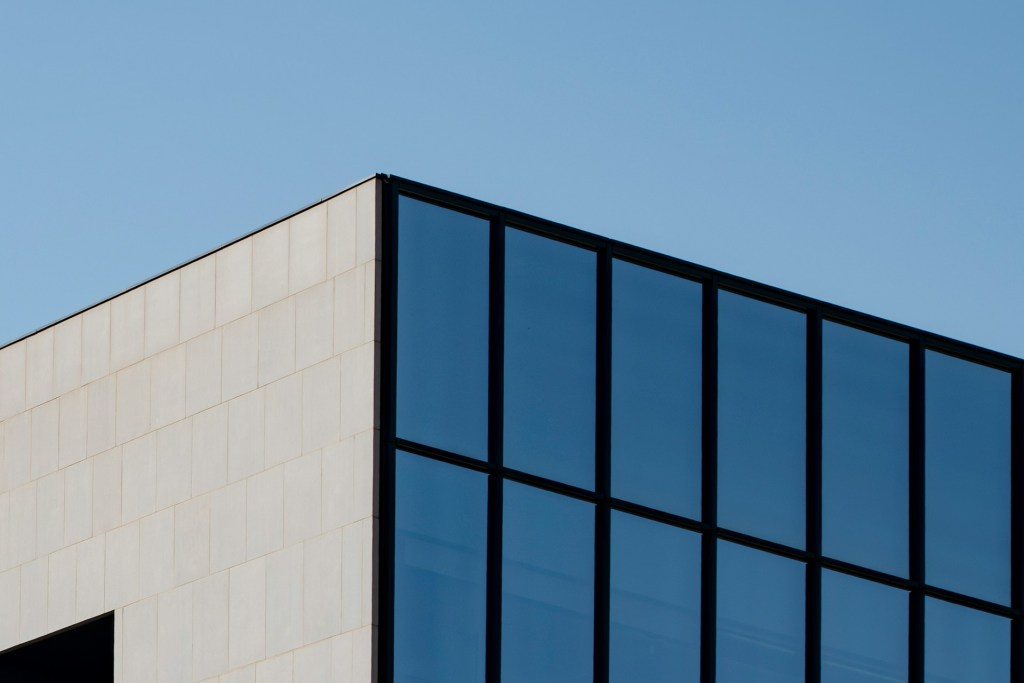
When Privacy Window Tint Starts Working Against You
Privacy window tint sounds like the perfect fix for busy homes and offices. You get more comfort, less glare, better protection from harsh UV, and you stop feeling like you are on display to the street. Then the days start stretching out, afternoons feel brighter, and suddenly your glass starts acting like a mirror from the inside.
Instead of a clear view out, you see your own living room, office lights, or meeting room reflected back at you. TV screens are harder to watch, computer work gets tiring, and the space just feels a bit wrong at night. That is not what anyone signs up for when they choose tint.
Unwanted indoor reflections usually come down to a mix of factors: the type of film on the glass, the balance between outdoor light and indoor light, and how the room is lit and finished. Our goal here is to explain why these reflections show up, when they are most likely, and how the right choices and expert installation across Brisbane and South East Queensland can stop privacy window tint working against you.
How Privacy Window Tint Actually Works
Window films are thin layers added to glass to manage light. They deal with sunlight in three main ways: they let some through, they absorb some, and they reflect some. By changing that balance, we can cut heat, UV, and glare, and adjust how much people can see in or out.
Daytime privacy works because the outside is usually brighter than the inside. When the film reflects more light on the bright side, it is harder to see through from that side. Once it gets darker outside and the lights go on inside, the effect flips. The brighter side is now inside, so you get more reflection indoors and people outside may see in more clearly.
Different types of films behave differently:
- Tinted films: These tend to be darker without being very shiny. They reduce glare and heat but usually create less of a mirror look than metallic reflective films.
- Reflective films: These have a shiny, mirror-like finish. They are strong performers in bright conditions but can show pronounced reflections at night when interior lights are on.
- Dual-reflective films: These are more reflective outside and less reflective inside, so they maintain views from indoors while still helping with heat and privacy.
- Low-reflective films: These aim to cut heat and glare without a strong mirror look on either side, which can be helpful for people sensitive to reflections.
- Frosted or decorative films: These focus on privacy by blurring or blocking views, rather than relying on a mirror effect. They look more consistent day and night but change the look of the glass completely.
In bright Queensland spring and summer light, the film type and the way your space is lit inside both play a big part in how your windows look throughout the day and evening.
Why You See Reflections Inside Instead of Outside
Reflections are all about contrast. When the sun is bright outside and your interior lights are low, the reflective side of the film presents to the exterior and you see out fairly clearly. When the sun drops and you flick the lights on, the interior can become the bright side and your glass starts to behave like a mirror from inside.
This balance can shift quickly around late afternoon in Queensland. You might notice that:
- During strong daylight, you have good privacy from outside and can see out comfortably.
- At sunset, with lights starting to come on inside, reflections begin to appear on the glass.
- After dark, with bright indoor lighting, your own room becomes the main thing you see in the window.
Certain design choices amplify this effect:
- Highly reflective or metallic films that create a strong mirror look.
- Glossy interior finishes, like polished floors, shiny tiles and bright white walls that bounce light back toward the glass.
- Downlights or spotlights mounted close to the window that hit the glass directly and bounce straight back at eye level.
Seasonal habits matter too. Around October and into the warmer months, days are longer, the sun feels stronger, and people often keep blinds open later. At the same time, cooling and lighting are used more in the evenings. That mix can suddenly make reflections much more noticeable, even if they did not bother you earlier in the year.
When Reflections Become a Comfort or Safety Issue
A little reflection now and then is normal. It turns into a problem when it starts to affect how you use the space or how safe it feels.
For comfort, reflections can create:
- Glare on TV screens in living rooms and media rooms.
- Distracting reflections on computer monitors in home offices or commercial spaces.
- Harder-to-read meeting room displays or shopfront screens.
All of this can lead to eye strain, headaches, and a general feeling of being on edge. When windows act like mirrors at night, some people feel exposed, even if the film is still doing its job from outside. Instead of enjoying the night view, you are looking at your own reflection.
There are also safety and security angles. Strong reflections around glass doors or stairwells can be distracting. If you cannot clearly see what is happening outside, it can feel harder to keep track of visitors, deliveries, or activity near entries and car parks. For workplaces, anything that distracts staff or customers has a flow-on effect on comfort and confidence in the space.
Smart Ways to Reduce Unwanted Indoor Reflections
The good news is that you are not stuck with annoying indoor reflections. With some smart choices, professional advice, and possibly updated film, you can enjoy the benefits of privacy window tint without feeling like you live or work in a mirror.
Lighting is a powerful tool. Simple changes include:
- Reducing the brightness of overhead lights close to windows, especially strong white downlights.
- Using floor or table lamps away from the glass, to create softer, more indirect light at night.
- Choosing warmer, dimmable LED globes rather than very cool, bright ones that bounce hard off the glass.
The film itself is just as important. The right choice for one room is not always right for another. In many homes and offices, it can help to consider:
- Low-reflective films where clear night-time views are important, such as living rooms or view windows.
- Dual-reflective films for spaces that need daytime privacy and heat control, but also comfortable internal views.
- Neutral-toned films instead of very silver or strongly mirrored options, to soften the indoor reflection.
- Pairing privacy films with sheer blinds or curtains that can be closed in the evening while keeping natural light and a softer look.
Professional assessment makes a real difference. A trained team will look at your window orientation, room layout, existing lighting, and how you use each area during the day and night. With that information, they can match a film type and shade that balances privacy, heat reduction, glare control, and indoor comfort, without overwhelming you with reflections when the sun goes down.
Getting Privacy Window Tint That Works Day and Night
Privacy window tint should make life easier, not more frustrating. If indoor reflections are driving you mad, it does not mean tint is a bad idea. It usually means the current film or setup is not the best match for your space, your lighting, or our bright local conditions.
As the calendar moves toward the busy holiday period and the brightest part of the year, it is a smart time to review how your windows are performing. For homes and workplaces across Brisbane and South East Queensland, the right combination of film and lighting can deliver privacy, lower heat, and clearer views, with far fewer annoying reflections. With expert help and thoughtful product selection, your glass can work comfortably for you, day and night, all year round.
Get Started With Your Project Today
If you are ready to improve comfort and confidentiality in your workspace, Cooltone can help you choose the right privacy window tint for your needs. We will assess your windows, recommend suitable films and provide a professional installation that fits your schedule. Reach out to our team today via our contact page to discuss your project and arrange a tailored quote.