
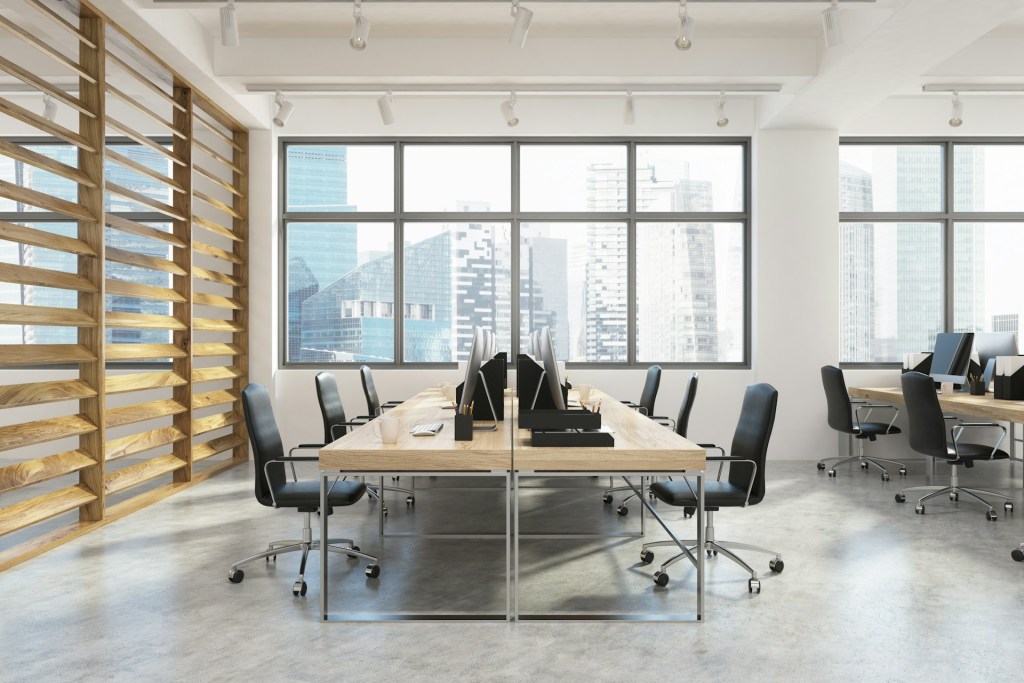
Transform Open-Plan Offices Into Productive Hubs
Open-plan offices can feel full of life. People move around, ideas spread quickly, and teams can shift seats as projects change. But they can also be loud, bright, and distracting, especially when glass and sunlight are involved.
Many workplaces around Brisbane are now asking how to keep the open feel while fixing the problems. That is where office glass tinting comes in. With the right films on internal and external glass, we can shape light, comfort, and privacy without turning your office into a maze of solid walls.
As we move through the cooler months and the late winter sun sits lower in the sky, glare and heat can hit at tricky angles. This is the perfect time to rethink glass treatments before the longer, hotter days return and your teams are stuck squinting at their screens.
How Office Glass Tinting Shapes Open-Plan Behaviour
The way you treat glass quietly guides how people work and move. Different tint levels and specialist films can define zones without a single plasterboard wall.
For example, you can:
- Use clearer films in open collaboration areas so people feel welcome to join in
- Add higher privacy films to quiet focus zones and private work booths
- Give meeting pods a mid-level tint so they look semi-private but still connected to the floor
Partial frosting and banding are great tools too. A frosted band at seated eye level on a meeting room can signal that the space is in use and reduce distraction from passing traffic. At the same time, the clear glass above and below still lets in natural light and keeps the visual connection.
Patterns and graphics can also
- Gently indicate “please do not disturb” spaces without putting up signage everywhere
- Guide people along key paths so they are not walking straight past sensitive screens
- Break up large glass panels that might otherwise feel like a fishbowl
Thoughtful tinting on internal glass can also cut reflections that bounce across the office. Less glare on screens means fewer headaches, less eye strain, and more productive collaboration sessions that do not end with everyone rubbing their eyes.
Balancing Natural Light, Privacy, and Transparency
Most teams like open-plan spaces because they feel airy and full of daylight. But too much openness can lead to oversharing, where everyone can see every screen, document, or expression.
The trick is to keep the light and the sense of space while hiding what does not need to be public. A layered approach works well
- Clear or lightly tinted glass above eye level to keep the bright, open feel
- Frosted or decorative films at seated or standing eye height for privacy
- Strategic gaps in frosting where natural light is limited and you want to spread it further
This way, people can see across the office and feel connected, but sensitive information is not on display. Meeting rooms can host confidential chats without feeling boxed in.
On external glass, solar control films do a different job. In Brisbane, sun and glare are constant concerns. The right films can
- Cut harsh glare on desks and screens
- Reduce heat building up in open-plan areas near windows
- Still allow plenty of daylight so you are not relying only on artificial lighting
This balance means staff can enjoy natural light and outside views, but without that washed-out, squinty feeling during video calls or deep work.
Design Strategies That Support Different Workstyles
Modern offices need to suit many workstyles at once. Some people need quiet space for focused tasks, while others spend most of the day in spontaneous chats and quick huddles.
Office glass tinting can support this mix by changing how open or private each area feels
- Quiet zones: Higher privacy or frosted films on internal partitions, reduced visual noise, and clear cues that these spaces are for focus
- Collaboration zones: Lighter tints or decorative films that feel open and creative, yet still control glare
- Hybrid work areas: Flexible spaces with films that balance privacy for video calls and openness between meetings
For huddle rooms and project spaces, partial frosting is often enough. Glass panels might have frosting from mid-height to above eye level when seated, so people inside feel calm and less watched, but anyone outside can still see if the room is in use.
Leadership offices can also benefit from smart film choices. A lighter tint keeps them visible and approachable, while subtle frosting on lower sections offers a sense of separation during one-on-ones or sensitive discussions.
Inclusive design is another key factor. Thoughtful glass treatments can
- Reduce busy reflections that can overwhelm neurodivergent staff
- Improve visual contrast so glass edges and doors are easier to see
- Use clear, simple graphics to support wayfinding and safety near stairs and corners
These details help everyone feel more comfortable and confident moving around the office.
From Brief to Installation: Getting Tinting Right
Good office glass tinting starts long before any film is installed. It begins with understanding how your space works right now and where it falls short.
A strong planning process usually includes
- Assessing all existing glass, inside and out
- Mapping how teams use different zones over a typical day
- Identifying hotspots for heat, glare, and distraction, especially around windows and thoroughfares
- Deciding where privacy is non-negotiable, such as HR spaces or health-related rooms
From there, it is about matching the right specialist films to each need. Internal films can control privacy, patterns, and glare, while external films focus more on heat and light coming into the building.
Working with a professional installer matters a lot at this stage. You want guidance on
- Which films suit Brisbane’s light conditions and building types
- How to balance tint levels so the office still feels consistent as you move around
- Installation methods that keep films looking clean and long-lasting, without bubbles, peeling, or visible edges
Well-planned tinting can also support safety and compliance. For example, safety and security films can help hold glass together if it breaks, and privacy films can help meet expectations for HR, healthcare, or other tenants with sensitive work. Thoughtful solar control can also play a part in broader building comfort and sustainability goals by reducing heat load on shared areas.
Refresh Your Open-Plan Office Before Summer Hits
As the calendar moves toward the warmer months, it is worth taking a fresh look at how your open-plan office is working. Walk the space at different times of day and note where glare hits screens, which zones feel too exposed, and where noise and movement keep breaking focus.
Ask staff which areas feel hardest for collaboration. Common trouble spots include
- Meeting rooms that feel like fishbowls
- Desks near windows with harsh midday glare
- Shared spaces where confidential work is still visible from walkways
Use that feedback to plan which zones would benefit most from updated office glass tinting. A few well-chosen changes can cool down hot corners, calm busy sightlines, and make collaboration spaces feel more comfortable and productive.
At Cooltone, we work with Brisbane businesses to design office glass tinting that suits their people, not just their floor plan. Thoughtful film choices can help your open-plan office stay bright, private where it needs to be, and ready for the busier months ahead.
Get Started With Your Project Today
If you are ready to improve comfort, privacy and energy efficiency at your workplace, our team at Cooltone can help you plan the ideal office glass tinting solution. We will assess your building, explain suitable film options and provide a clear, competitive quote. To discuss your project or request a site visit, simply contact us and we will get back to you promptly.