
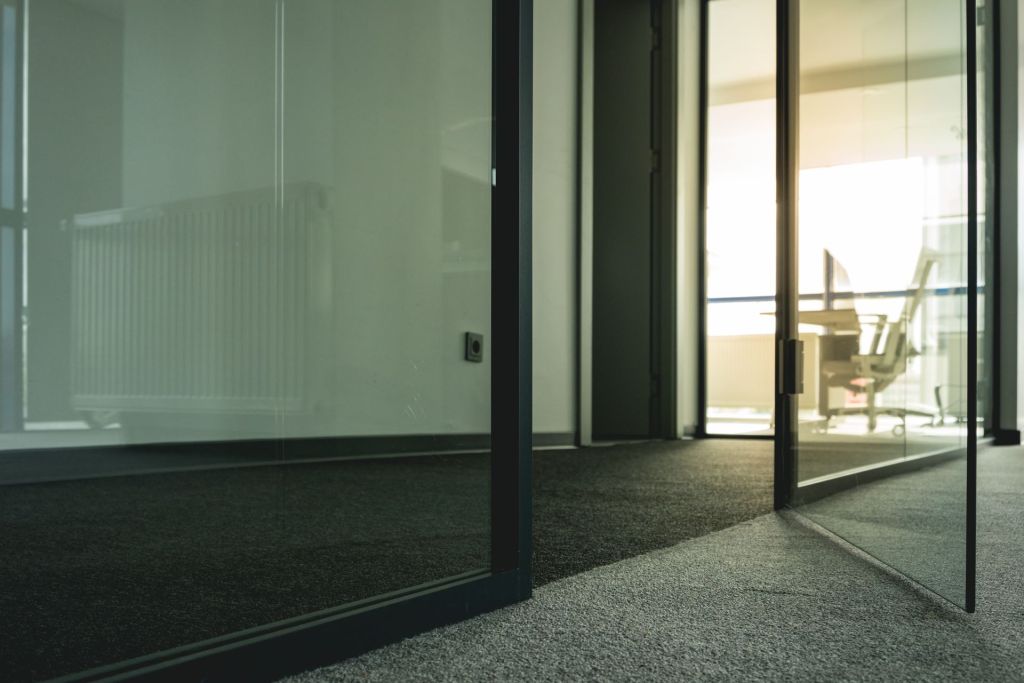
Make Glass Doors Safer Without Sacrificing Style
Clear glass doors look great, but they can be risky if people cannot see them properly. Safety decals and window film work together to make glass easier to see, more comfortable to live or work with, and better looking at the same time.
Mid-year is a smart time for businesses and homeowners across Brisbane to think about upgrades. Trade and fit-out work often feels a bit calmer between holiday peaks, which makes it easier to plan changes to entries, shopfronts, and office doors without too much disruption. Safety decals do two jobs at once: they help meet visibility and glazing safety needs, and they can lift the whole look of your doors.
When safety decals are planned together with window film, you get a clean, joined-up finish. The film improves comfort, privacy, and protection, while the decals keep people safe and help carry your style or brand across the space. Done well, it all looks like one intentional design, not an afterthought stuck on at the last minute.
Why Safety Decals Matter on Glass Doors
Safety decals are there to stop people walking into glass. Clear and tinted doors can almost vanish from view, especially in busy workplaces, shopping areas, schools, and homes where kids or older relatives may not notice the glass.
On full-height glass and doors, visibility markings should be placed so that people can clearly see there is a solid surface in front of them. Australian glazing rules set out broad ideas around things like:
- Having markings at certain height zones
- Making sure there is clear contrast against the background
- Keeping markings wide or repeated enough that they are easy to notice
Professional installers work with these guidelines so your glass is marked in sensible, practical ways. It is not just about ticking a box; it is about thinking through how people actually move through a space.
For businesses and building managers, good safety decals form part of risk management. They help reduce the chance of accidents, support work health and safety duties, and show that you are taking care of staff, visitors, and customers. A simple band of film on glass can prevent a lot of stress and paperwork later.
Choosing the Right Placement and Height
Getting safety decals roughly right is easy; getting them truly effective and good looking takes a bit more thought. The aim is for markings to sit naturally in people’s field of vision.
Common ideas for placement include:
- A main band around typical adult eye level
- A second lower band if children or wheelchair users are common in the space
- Consistent heights along corridors and across matching doors
Door type also makes a difference. A large sliding door, for example, might need a wider or more repeated pattern than a narrow hinged door. Frameless glass can be trickier, because there are fewer visual cues, so decals may need to work a bit harder.
Film coverage lines also matter. If your door has a frosted band or a tinted section, the safety decals should sit where they stay clear and obvious, not lost in dark or patterned areas. Some useful choices are:
- Single continuous bands
- Double bands at two heights
- Patterns repeated on sidelights and nearby panels
It is also smart to think about lighting. In low morning or afternoon sun, reflections and glare can hide plain glass. Decals need enough contrast in both bright light and softer conditions, from inside and out.
Making Safety Decals Work with Window Film
Window film and safety decals should be planned together, not added in separate stages with no link between them. Different types of film affect how the decals will look and perform.
For example:
- Tinted and solar control films darken the glass, so a pale or bright decal usually shows up best
- Frosted film adds privacy, so you might use cut-out shapes or clear gaps as the safety marking itself
- Safety and security films add strength to the glass, so the decals need to work around those layers
The side of the glass you apply things to also matters. Decals are usually placed where they give the best visibility for approaching people, while still bonding well with the film surface. Contrast is key; a dark decal on dark film, or a clear decal on clear glass, will not do its job.
There is a bit of technical planning around film joins, printed logos, and patterns too. You do not want a safety band slicing right through your logo in an awkward way; nor do you want it sitting across a film join that may move slightly. Professional installers line everything up across multiple panels, keep gaps even, and aim for a smooth look right across a shopfront or office fit-out.
Aesthetic Options That Enhance Your Space
Safety decals do not have to be plain dots or thick bars, although those can work nicely. With modern films and plotting tools, you can turn safety markings into part of your interior design.
Popular options include:
- Simple dots, squares, or horizontal bands
- Geometric lines that echo interior joinery
- Nature-inspired shapes, like leaves or waves
- Privacy bands that also act as safety markers
- Custom-branded designs using your logo or brand icons
When film and decals are planned together, they can help define zones in open-plan offices, such as meeting rooms, focus areas, and breakout spaces. On glass doors at home, soft frosted bands can give privacy around eye level, while still letting natural light flow through.
Style tips that work well over time include:
- Minimal white, charcoal, or soft grey bands in corporate spaces
- Stronger colour accents for retail, to draw attention and guide customers
- Simple, clean shapes that will not date quickly, even if the furniture changes
The goal is to keep the safety function clear, while giving your space a calm, intentional look.
Seasonal Durability and Maintenance in Brisbane
Brisbane glass has to cope with bright sun, salty air in some areas, humidity, and storms. Good quality film and safety decals are made to deal with this, but they still benefit from some care.
Basic care tips include:
- Use a soft cloth or squeegee with mild, non-abrasive cleaner
- Avoid harsh chemicals, blades, or rough pads on the film or decals
- Wipe gently around decal edges rather than scrubbing at them
Every now and then, it is worth checking for early signs of lifting at corners, bubbling, or fading in high sun areas. Catching small issues early makes repair or replacement simpler.
When films and decals are supplied and installed by experienced professionals, you can expect them to last for a long period under normal use. Cutting corners with lower quality materials or DIY application often leads to peeling edges, uneven lines, and a patchy appearance that needs fixing sooner than you would like.
Plan Your Next Glass Upgrade with Confidence
As trading, school, and entertaining periods come and go, it pays to look at your glass doors with fresh eyes. Are they easy to see from all directions? Do they feel consistent and on-brand? Do they give the right level of privacy without blocking too much light?
A simple walk-through of your property can highlight doors, sidelights, and full-height glass that might need better visibility markings, updated window film, or both. This is where a specialist team like Cooltone can step in, with site assessments and tailored advice on film types, safety decals, and design options for each doorway, office, or living area.
Improve Visibility And Protect Your Workplace With Safety Decals
Upgrade your glass doors, windows and high-risk areas with our tailored safety decals that help prevent collisions and meet compliance requirements. At Cooltone, we work with you to select designs that fit your space while maintaining a professional look. If you would like advice or a quote, simply contact us and we will help you find the right solution for your workplace.