
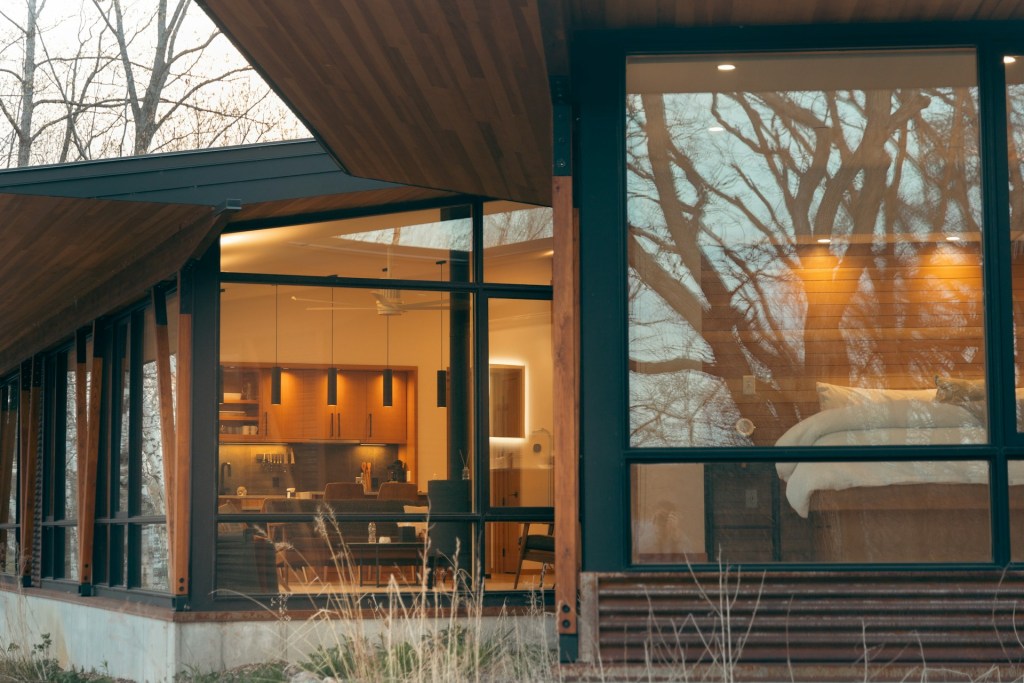
Strong afternoon sun can make a home feel warmer than it needs to be, especially when it hits certain parts of glass at just the right angle. This is something we see often with west-facing windows. As the light pours in from late midday through the afternoon, it can quickly heat up rooms, fade surfaces, and make everyday comfort a bit harder to manage. Reflective glass film helps solve this problem by reducing both heat and glare without blocking natural light completely.
Late April is an interesting time in places like Brisbane. The sun’s angle starts sitting lower in the sky, but it lingers longer in west-facing spaces. That means some rooms, even as the days get cooler, can still deal with very direct heat and bright light for hours. Reflective film gives us a way to keep those rooms usable without always having to close curtains or rely on air conditioning.
Understanding the Afternoon Sun Problem
The toughest sunlight usually hits between 2 pm and 5 pm, especially on windows that face west. These glass surfaces end up acting like magnifiers, pulling the sun’s warmth straight indoors. In autumn, the lower sun sits more directly across these windows, making the hit even more intense. That late-day temperature spike can make certain parts of the house unpleasant to use, just as the rest of the home starts to feel more comfortable.
In homes or offices with little shade or thin curtains, the buildup of heat from direct sun exposure happens quickly. Over time, blinds alone often wear or fail to stop the full force of that afternoon glare. By late April, daylight hours are shorter, but the sun’s angle is persistent. Wall exposures that were fine in summer might now catch more light through trees that have started thinning out or while the sun creeps deeper across the room as it moves west.
What Reflective Film Does for Your Windows
Reflective glass film works by bouncing sunlight away before it passes fully through the glass. It doesn’t make rooms completely dark, but it tones down the brightness and stops the invisible heat that comes with direct sun. It cuts down on the glare that builds across screens or open surfaces, making the room easier to be in.
One of the biggest upsides is how it keeps spaces cooler during the day without using blackout material. The film adds a mirrored appearance on the outside, which increases privacy during daytime hours. Inside, the tone of the light softens slightly, giving rooms a calmer feel. Depending on the style used, reflective film can look nearly invisible to someone indoors while still doing its job filtering outside light effectively.
Each film option has its own look. Some are more silvery and strong, others more neutral and subtle. The right one depends on how much light you’d like to keep, how you want the room to look, and what’s around your home that might reflect light back.
Cooltone’s reflective window film is engineered for solar control, providing effective heat rejection and glare reduction while supporting a natural indoor look. Our films help protect interiors by blocking UV and reducing the fading of furniture and flooring.
Where Reflective Tint Works Best in the Home
Not every room in a home needs reflective film, but the places that face west usually benefit most. These spaces tend to feel hot the longest in the afternoon, and that heat can stay trapped well into the evening.
Here are areas where reflective tint usually works best:
- Upstairs bedrooms or lounge areas with unshaded west-facing windows
- Large living rooms with wide glass that aren’t protected by eaves or nearby trees
- Kitchens or dining spaces that get harsh light through sliding or fixed glass panels
When choosing the right film for different directions or window sizes, it’s worth thinking about how the space is used and at what time. In a home office where concentration matters, a stronger film might help reduce glare. For bigger living areas, something that tones the light gently without making the room too dim can work better.
The amount of external shade nearby, like trees or fencing, and the colours of walls and flooring inside can affect how the film performs. Brighter surfaces reflect more light back into the space, so a stronger film might be helpful. Darker tones soak up the light, making a mid-range film a better fit.
How Reflective Film Responds to Seasonal Light Changes
One mistake people often make is thinking window tint is only for summer. But in late autumn, sunlight hits at sharper angles and often for longer periods across certain walls and windows. Reflective film steps in here by softening that effect before it grows too sharp, especially in afternoon hours.
We’ve seen how the light through April and early May can land deeper inside homes than expected. The lower arc of the sun pushes beams of light across rooms that were shaded all through summer. Reflective film adjusts well across seasons, helping find balance between keeping warmth in during cooler hours and keeping direct glare out during mild afternoons.
During cooler months, this film keeps rooms from feeling patchy. This means not constantly having one side of an open-plan room feel overheated while another side cools down as the sun sets. Less shifting in temperature from room to room means less reliance on heaters later in the evening too.
Heat Comfort Without Heavy Materials
Some people turn to thick curtains or dark blinds to fight late sun, but while those work, they also block the natural light we’d rather keep. Heavy materials can make rooms feel dark and smaller during the early part of the day too, even when bright light isn’t a problem.
Reflective film dodges that trade-off. It keeps the afternoon glare under control without needing to close everything off completely. That can make a big difference when you’re in shared spaces like kitchens or play areas, where being able to see outside and keep things bright still matters.
- Lets in sunlight without the intensity or heat
- Keeps views open while blocking harsh rays
- Supports natural airflow, since nothing bulky is in the way of opening windows
It gives you more control over comfort without needing blackout measures. That’s especially helpful as our days grow shorter and we still want to feel connected to the outdoors through the glass.
A Smarter Way to Cool the Room
Reflective glass film works best where sun hits hardest. As late afternoon light becomes more angled through autumn, managing heat and comfort without losing natural light makes a noticeable difference.
Whether it’s a lounge that catches the day’s final sun or a bedroom that overheats before bed, small changes in tint can reduce glare and make spaces more usable. Late April is a good time to take stock of those bright spots and choose what kind of light you really want in your space. Reflective film offers a way forward without needing drapes pulled tight.
Say goodbye to afternoon glare and hello to a more comfortable living space with reflective glass film. Keep your home cool and maintain your view without sacrificing natural light. At Cooltone, we provide customized solutions tailored to Brisbane’s unique sun conditions. Contact us today to find out how our films can enhance your indoor comfort.