
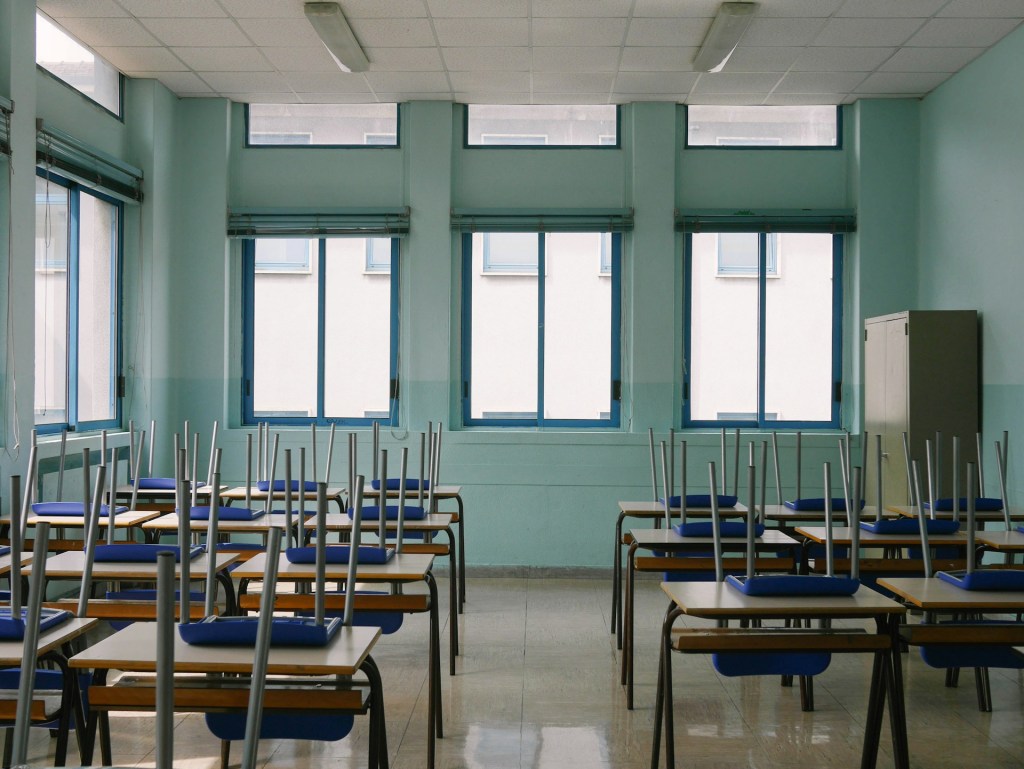
Schools need to be safe environments for students, teachers, and staff. One way to enhance safety is by using safety films on windows. These films are designed to prevent glass from shattering, protect against vandalism, and provide an extra layer of security. By installing safety films, schools can reduce the risk of injuries from broken glass and improve overall security.
Safety films work by holding glass together when it breaks. Instead of shards flying everywhere, the glass stays in place, which can significantly reduce harm during accidents or break-ins. This feature is especially important in schools where children are present, and accidents can happen at any time. Safety films also add a layer of protection against forced entry, making it harder for intruders to get inside.
In addition to safety, these films can offer other benefits like reducing glare, blocking UV rays, and even providing some privacy. With these advantages, safety films become an essential part of a school’s safety plan. This article will explore why safety films are needed in schools, the best options available, essential features to look out for, and how to install and maintain them effectively. Understanding these aspects will help schools create a safer and more secure environment for everyone.
Understanding the Need for Safety Films in Schools
Safety films are crucial for schools because they help keep students, staff, and visitors safe from broken glass injuries. Accidents or incidents like rough play, severe weather, or even vandalism can cause windows to shatter. Without safety films, shattered glass can create dangerous, sharp fragments that can lead to serious injuries. When safety films are applied to windows, they hold the glass together even if it breaks, reducing the risk of cuts and other injuries.
Safety films also boost security. Schools are places where children should feel safe. Safety films make it difficult for intruders to break through windows, adding an extra layer of protection. This delay can give school staff more time to react and call for help if needed. Having safety films can also act as a visual deterrent for anyone thinking about breaking in.
Besides protection from accidents and security threats, safety films help block harmful UV rays. These rays can damage skin and cause furniture and educational materials inside classrooms to fade. By blocking over 99% of UV rays, safety films help create a healthier and longer-lasting learning environment. This makes safety films a wise investment for maintaining a safe and comfortable school setting.
Top Safety Film Options for School Windows
There are several types of safety films available, each with its unique features. Here are some top options that schools might consider:
1. Clear Safety Films: These are transparent films that provide safety without changing the appearance of the windows. They are great for maintaining natural light while still offering protection.
2. Tinted Safety Films: These films not only offer safety but also reduce glare and block UV rays. The tinted option can help keep classrooms cooler by reducing heat from the sun, which can be a bonus in hot climates.
3. Security Safety Films: These are thicker and more robust than standard safety films. They provide extra protection against forced entry and are ideal for areas that might be more vulnerable to break-ins.
4. Decorative Safety Films: While primarily for safety, these films also come with designs or patterns. They offer the dual benefit of enhancing privacy and adding a decorative touch to the windows, which can be particularly useful in areas like administrative offices or counsellor’s rooms.
5. Anti-Graffiti Films: These films protect against vandalism. They are made to be easy to clean, allowing graffiti to be wiped away without damaging the windows. This type is great for schools in areas where vandalism is a concern.
Choosing the right safety film depends on the specific needs of the school. Whether the priority is clear visibility, added security, or even decorative appeal, there are safety film options that can meet these requirements effectively. Each type provides essential protection while also offering additional benefits tailored to different settings within a school.
Key Features to Look for in Safety Films
When choosing safety films for school windows, several key features will ensure maximum protection and usability. These features help ensure that the safety films installed will perform effectively.
1. Thickness and Strength: The thickness of the safety film is crucial. Thicker films offer better protection against impacts and forced entry. Look for films that specify their strength and thickness, usually measured in mils (thousandths of an inch).
2. Clarity and Transparency: While safety is the primary function, maintaining clear visibility is important in schools. High-quality safety films should not significantly alter the appearance of windows or reduce the amount of natural light entering classrooms.
3. UV Protection: Choose safety films that block out harmful UV rays. This feature protects against skin damage and prevents the fading of classroom materials and furniture.
4. Adhesive Quality: The adhesive used in safety films should be strong and durable. It should ensure that the film stays attached to the window even under extreme conditions. An effective adhesive also makes the installation process smoother.
5. Scratch Resistance: Safety films with a scratch-resistant coating are more durable and easier to maintain. This feature is especially useful in busy school environments where windows may be exposed to wear and tear.
6. Aesthetic Options: For areas where privacy or decoration is needed, consider decorative safety films. These can come with patterns or tints, adding aesthetic value while still providing safety.
7. Warranty and Certification: Look for safety films that come with a warranty and have been tested and certified to meet safety standards. This gives assurance of their effectiveness and durability.
Considering these features will help you select the best safety film for your school, ensuring both protection and functionality.
Installation and Maintenance Tips for School Safety Films
Proper installation and maintenance of safety films are vital for their effectiveness and longevity. Here are some tips to ensure your safety films are set up and maintained correctly:
1. Professional Installation: It’s highly recommended to have safety films installed by professionals. They have the experience and tools needed to apply the film correctly, avoiding common issues like air bubbles and misalignment.
2. Preparation: Before installation, clean the windows thoroughly to remove any dirt, dust, or grease. This ensures the adhesive will bond well to the glass, providing a smooth and durable finish.
3. Cutting and Application: When applying the film, make sure it is cut slightly larger than the windowpane. This allows for trimming and perfect alignment. Use a squeegee to press out any air bubbles and ensure a tight fit against the glass.
4. Curing Time: After installation, allow the film to cure properly. This process can take up to a few days, depending on the film type and environmental conditions. Avoid cleaning or putting pressure on the windows during this time.
5. Regular Cleaning: Maintain the safety films by cleaning them regularly with a mild, non-abrasive cleaner. Avoid using harsh chemicals or rough materials that could scratch the film.
6. Inspection and Repairs: Periodically inspect the films for any signs of damage or wear. If the film begins to peel or shows signs of deterioration, consult a professional for repairs or replacement.
7. Climate Considerations: In areas with extreme weather conditions, consider films that are specifically designed to withstand such variations. Proper maintenance tailored to the local climate can extend the life of the safety films.
By following these tips, you will ensure the safety films on your school windows remain effective and in good condition for years to come.
Conclusion
Safety films play a crucial role in protecting schools, making them safer for students, teachers, and staff. They offer numerous benefits, including injury prevention from broken glass, enhanced security, and protection against UV rays. Choosing the right safety film involves considering features like thickness, clarity, UV protection, and aesthetic options.
Proper installation and regular maintenance are equally important to ensure these films perform effectively. By investing in quality safety films and following best practices for installation and upkeep, schools can create a safer, more secure environment for everyone.
If you’re looking to enhance the safety and security of your school with the best window security films, reach out to Cooltone today. Our specialists can help you choose the right films and ensure they are installed correctly for maximum protection.