
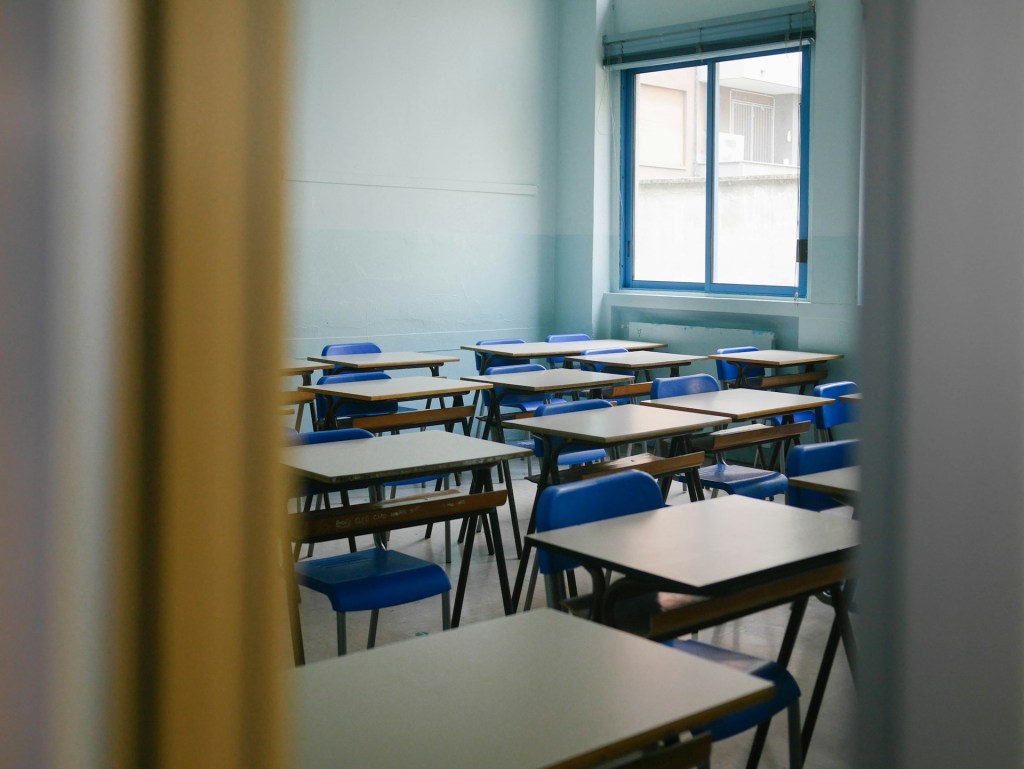
School safety is a top priority for everyone. From teachers to parents, we all want to ensure that our children are safe while they’re at school. One effective way to enhance school safety is by using safety films on windows and glass doors. These films can help prevent injuries, deter break-ins, and even protect against harmful UV rays.
Safety films are designed to hold shattered glass together, reducing the risk of injuries from broken glass. This is crucial in busy schools where accidents can happen. With the right safety film, the glass will stay intact even if it gets broken, keeping everyone safer.
Let’s explore the importance of safety films in schools and discuss the top options available for classrooms and halls. We’ll also look at what factors to consider when choosing safety films and provide tips for the best installation practices. By understanding these aspects, we can make well-informed decisions to create a safer school environment.
Understanding the Importance of Safety Films in Schools
Safety films are essential for schools because they add an extra layer of protection to windows and glass doors. One of the primary benefits of safety films is their ability to hold shattered glass together. In busy school environments, accidents can happen at any time. If a window breaks, the safety film prevents the glass from scattering, reducing the risk of injuries from sharp shards.
In addition to protecting against accidental glass breakage, safety films can also enhance security. They make it more difficult for intruders to break through glass doors or windows. This added barrier gives teachers and students more time to react in the event of an emergency.
Safety films also offer UV protection, blocking harmful rays that can cause skin damage and fade classroom furniture. This helps to create a safer and more comfortable learning environment for students and staff. By investing in safety films, we can address multiple safety concerns with a single solution, making schools safer places for everyone.
Top Safety Film Options for Classrooms and Halls
Choosing the right safety film for different areas in a school is crucial. There are several types of safety films available, each with unique benefits.
1. Clear Safety Films: These films are perfect for classrooms and halls because they are nearly invisible once applied. They provide excellent protection without altering the appearance of the windows. This allows natural light to enter the rooms, creating a bright and welcoming environment for students.
2. Tinted Safety Films: Tinted films add a layer of privacy by reducing visibility from the outside. This is especially useful for ground-floor classrooms or areas where privacy is a concern. They also help to reduce glare, making it easier for students to see screens and whiteboards.
3. Reflective Safety Films: Reflective films offer both safety and energy efficiency. They block a significant amount of heat from entering the building, keeping classrooms cooler during hot months. This can improve comfort and reduce reliance on air conditioning.
4. Decorative Safety Films: Decorative films can add a touch of style while providing safety benefits. These films are available in various patterns and designs, making them ideal for use in places like libraries or creative spaces. They also maintain privacy while allowing light to pass through.
By choosing the right type of safety film for different areas in a school, we can ensure maximum protection, comfort, and visual appeal.
Factors to Consider When Choosing Safety Films
When selecting safety films for a school, it’s important to consider several factors to ensure the best results.
1. Safety Needs: Determine the specific safety needs of each area. For classrooms where students spend most of their day, a clear safety film might be ideal to maintain visibility and natural light. For areas requiring more privacy, like counsellor offices, tinted or reflective films could be a better choice.
2. Durability: Look for high-quality films that are durable and designed to last. Schools are busy places, and the films need to withstand daily wear and tear.
3. UV Protection: Check if the film offers UV protection to prevent damage from the sun’s rays. This can help in keeping the learning environment comfortable and protecting classroom materials from fading.
4. Cost: Consider the budget: While it’s important to choose high-quality films, there are options available that can meet both safety requirements and budget constraints. Compare prices and select films that provide the best value.
5. Aesthetic Needs: Think about the appearance of the films and how they will blend with the existing decor. Decorative films can add style and privacy without compromising on safety.
By carefully considering these factors, we can make informed decisions that ensure the safety and comfort of everyone in the school.
Best Practices for Installing Safety Films in School Buildings
Proper installation of safety films is essential to maximise their benefits. Here are some best practices to follow:
1. Professional Installation: While DIY methods might seem appealing, professional installation is recommended. Experts have the experience and tools needed to apply the film smoothly and without bubbles. They can also ensure that the film adheres properly and provides full coverage.
2. Preparation: Before installation, clean the windows thoroughly to remove any dust, grime, or stickers. A clean surface helps the film adhere better and last longer.
3. Right Timing: Install the films during times when the school is less busy, like during holidays or weekends. This minimises disruptions and allows the film to set without interference.
4. Follow Manufacturer Instructions: Each type of safety film may have specific installation instructions. Following these instructions ensures that the film performs as expected.
5. Regular Maintenance: After installation, maintain the films by cleaning them with non-abrasive solutions. Avoid using harsh chemicals that can damage the film or reduce its effectiveness.
Following these best practices ensures that safety films are installed correctly and provide maximum protection for years to come.
Protect Your School: Top Safety Film Choices for Maximum Security
Safety films play a crucial role in enhancing the safety and security of schools. By preventing glass from shattering and reducing the risks associated with broken windows, they help create a safer environment for students and staff. Choosing the right safety film involves considering factors like safety needs, durability, UV protection, cost, and aesthetics.
Proper installation and maintenance are equally important to ensure the films perform their intended function. Professional installation and regular upkeep help extend the life of the films, offering long-term benefits for the school.
Ready to enhance the safety of your school? Contact Cooltone today to explore our range of high-quality safety films in Brisbane and find the perfect solution for your needs. Let’s work together to create a safer and more secure learning environment!