
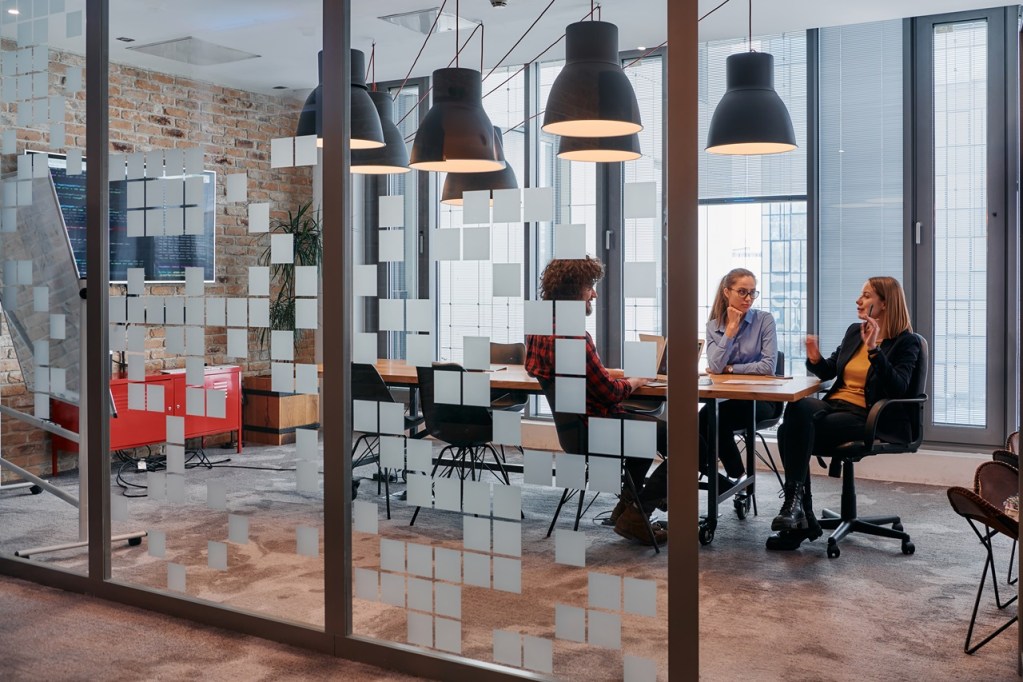
Architectural films are transforming the way we look at buildings. By enhancing the aesthetics and functionality of various surfaces, these specialised films provide a modern touch that blends style with practicality. From enhancing privacy to reducing glare and blocking UV rays, architectural films offer a myriad of benefits that can improve both residential and commercial properties.
These films work by adhering to the surface of windows, walls, and other materials, providing a sleek and polished finish. Not only do they improve the visual appeal of buildings, but they also contribute to energy efficiency and environmental sustainability. This makes them an attractive option for architects, designers, and property owners who are looking to upgrade their space without undergoing major renovations.
By incorporating architectural films into our building projects, we can achieve a contemporary look while enjoying increased comfort and security. These films offer endless possibilities for customisation, allowing us to create unique designs that reflect our personal style or brand identity. With the right choice of films and proper installation, we can transform any building into a modern masterpiece that stands out in any neighbourhood.
What Are Architectural Films and How Do They Work?
Architectural films are specialised materials applied to building surfaces to enhance their appearance, functionality, and performance. These films are made from high-quality polyester or vinyl and come with an adhesive backing that allows them to stick firmly to surfaces like glass, metal, or wood. Once applied, the films can transform the look of any space while adding practical benefits such as UV protection, privacy, and energy efficiency.
The way architectural films work is quite simple. When applied to a window, they can filter sunlight, reducing glare and blocking harmful UV rays from entering the building. This helps to protect interior furnishings and reduce cooling costs.
On walls and other surfaces, the films can create patterns, textures, or colours, providing a quick and cost-effective facelift without the need for extensive renovations. The versatility of these films allows us to customise our spaces to suit our preferences and needs.
Different Types of Architectural Films and Their Uses
There are various types of architectural films, each designed for specific purposes. Here are some common types and their uses:
- Decorative Films: These films add visual interest to plain surfaces by introducing patterns, textures, and designs. They are perfect for creating frosted glass effects, adding privacy to rooms, or simply updating the look of a space. Decorative films are often used in offices, retail spaces, and residential settings.
- Solar Control Films: These films are designed to reduce heat and glare from the sun. By blocking a significant amount of solar energy, they help to maintain a comfortable indoor temperature and reduce energy bills. Solar control films are ideal for homes, commercial buildings, and any space with large windows.
- Safety and Security Films: These films reinforce glass surfaces, making them stronger and less likely to shatter. They help prevent injuries from broken glass and provide added security against break-ins. Safety and security films are commonly used in schools, banks, and other high-risk areas.
- Anti-Graffiti Films: These films protect surfaces from vandalism and graffiti. They are easy to clean and replace, making them a cost-effective solution for maintaining the appearance of public buildings and commercial properties.
By selecting the right type of architectural film for our needs, we can enhance the beauty and functionality of our building spaces effectively.
Key Benefits of Using Architectural Films on Buildings
Architectural films offer numerous benefits that make them an attractive choice for enhancing buildings. One major benefit is improved energy efficiency. By reducing the amount of solar heat that enters a building, these films help maintain a consistent indoor temperature. This can significantly cut down on heating and cooling costs, making our homes and offices more energy-efficient and environmentally friendly.
Another benefit is enhanced privacy and security. With various styles and opacities available, architectural films can obscure the view from outside without sacrificing natural light. This makes them ideal for meeting rooms, bathrooms, and street-level windows. Security films add an extra layer of protection by strengthening glass, making it more resistant to shattering and deterring potential break-ins.
In addition, architectural films can greatly improve aesthetic appeal. They are available in a wide range of patterns, textures, and colours, allowing us to customise the look of any space.
Whether we want to create a modern, frosted-glass effect or add a splash of colour, there’s a film to suit every design preference. This versatility makes architectural films a cost-effective way to update the look of a building without the need for extensive renovations.
Tips for Choosing and Installing Architectural Films
When choosing architectural films, it’s important to consider a few key factors to ensure we select the right type for our needs. First, we should determine the primary purpose of the film. Are we looking to enhance privacy, improve energy efficiency, or boost security? Identifying our main goal will help us narrow down the options and choose a film that provides the required benefits.
Next, we should consider the aesthetics. Architectural films come in many designs and finishes, so it’s essential to pick one that complements the existing décor and architecture. We might want to opt for a subtle, frosted design for a professional setting or a more vibrant pattern for a creative space. The choice should reflect the overall style and function of the building.
Proper installation is crucial for the effectiveness of architectural films. While it’s possible to install these films ourselves, hiring a professional ensures a flawless application. Professionals have the experience and tools needed to apply the film without air bubbles or creases, ensuring a smooth, long-lasting finish. Additionally, they can provide valuable maintenance tips to keep the film looking its best over time.
Conclusion:
Architectural films offer a practical and stylish solution for enhancing buildings. From improving energy efficiency to adding a layer of privacy and security, these films provide multiple benefits that can transform both residential and commercial spaces. By choosing the right type of film and ensuring proper installation, we can achieve a modern and functional aesthetic without the need for extensive renovations.
Architectural films are versatile and customisable, making them a valuable addition to any building project. Whether we’re looking to update the look of our space or increase its functionality, these films offer an effective and affordable solution. If you’re ready to explore the potential of frosted window film in Brisbane for your building, reach out to the experts at Cooltone. Let us help you find the perfect solution to modernise and protect your property.